


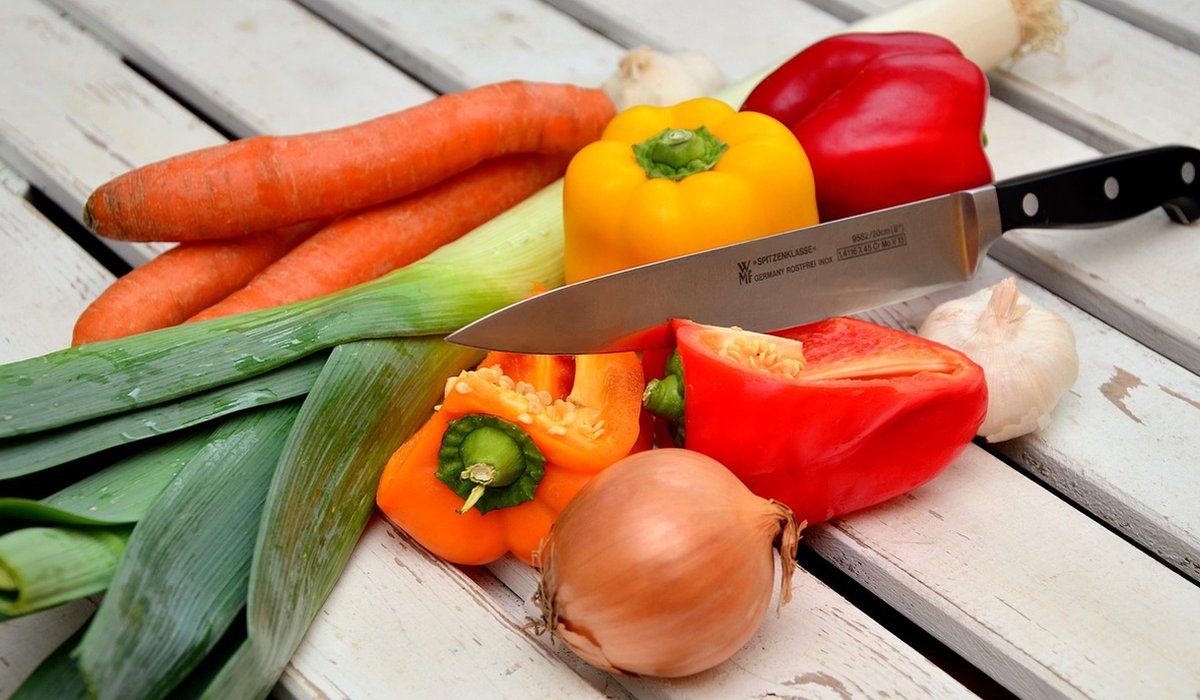
A knife is the single most useful tool you can carry into British woodland. It helps you make kindling for the campfire, prepare foraged mushrooms, and carve simple utensils. But it can also bite. Before you tackle your first spoon or tent peg, you need to master safe handling. That means understanding grips, carving strokes, and how to pass a blade without risk.
Respect the Edge Before You Cut
A sharp knife is a safe knife. A dull blade forces you to push harder, which makes slips more likely. Keep your edge honed and stropped. But sharpness alone is not enough. You must treat every knife as though it can cut you, because it can. The moment you become casual is the moment you get hurt. Build these habits from your very first session.
- Always cut away from your body. Never pull a blade toward your chest, legs, or hands.
- Keep your fingers out of the path. Think about where the blade will go if it slips.
- Never carve when tired, distracted, or cold. Fatigue leads to mistakes.
- Work in a clear, well-lit space. No clutter, no tripping hazards, no wet hands.
Gripping Your Knife for Control
For most bushcraft tasks, you will use one of three grips. The hammer grip is for chopping or heavy cutting: wrap your fingers around the handle, thumb on the side. The chest lever grip gives you maximum control for carving. Hold the knife in your dominant hand, blade edge facing away. Press the spine of the blade against your chest, just below the collarbone. Grip the handle firmly. Now push forward with your chest and arm, keeping the blade steady. Your other hand holds the wood. Because the blade moves away from you, this is a very safe stroke. The thumb push is for fine detail work. Place your thumb on the spine near the handle. Push the blade away from you in small, controlled shavings. Use this for delicate cuts like shaping a spoon bowl or notching a tent peg.
Carving Strokes That Keep You Safe
Three strokes cover most beginner projects: the push cut, the pull cut, and the stop cut. The push cut uses the chest lever or thumb push. You move the blade away from your body. Use it for feather sticks and shaping. The pull cut draws the blade toward you, but only if you are holding the wood in a vice or against a log, and your hand is behind the edge. For beginners, avoid pull cuts entirely. The stop cut creates a notch: push the blade straight down into the wood, then cut across to meet it. Always cut away from your body. When making feather sticks for campfire cookery, use a push cut with the chest lever. Keep your elbow tucked in. Never cut toward your thigh. If you need to hold the wood, use a lap board or a chopping block. For foraging, use a stop cut to sever mushroom stems cleanly, leaving the mycelium intact. That way the fungus can regrow.
Passing a Knife Safely
Handing a knife to someone is a common source of accidents. Never pass a knife blade-first. Instead, hold the handle toward the other person, with the blade edge facing away from both of you. Say "handle" or "knife" to alert them. They should reply "thank you" or "received" to confirm they have a firm grip. If you are not using the knife, sheath it. If you have no sheath, place it on a log or flat stone, handle toward the other person, and step back. Never throw a knife. Never leave a knife lying on the ground. In a group, announce "knife out" when you draw it, and "knife away" when you sheath it. This simple habit prevents surprises.
Maintaining Your Tool and Your Skills
Regular maintenance keeps your knife safe. After each use, wipe the blade clean and dry. Carbon steel needs a thin coat of oil to prevent rust. Strop the edge with a leather strop and polishing compound. A few passes after each carving session keeps it razor sharp. Store your knife in its sheath, not loose in a pack. For practice, use softwoods like willow, hazel, or birch. Start with simple tent pegs and feather sticks. Then try a butter knife or a spoon. Remember conservation: only carve deadfall. Never cut living trees or branches. Foraging for mushrooms or wild garlic? Use your knife to cut cleanly, but leave the plant to regrow. Take only what you need.
Building Confidence Through Practice
Set up a safe carving zone. Sit or kneel on a stable surface. Never carve while standing. Wear sturdy boots and trousers. Keep a first aid kit within reach. Practise for fifteen minutes a day. Start with a bar of soap or a piece of softwood. Focus on smooth, controlled strokes. Speed comes later. As you gain confidence, try more complex projects like a wooden spoon or a campfire tripod. But always respect the edge. A knife is a tool, not a toy. With these habits, you will enjoy British woodland living safely for years to come.


Leave a reply