


Reading the Embers Before You Bake
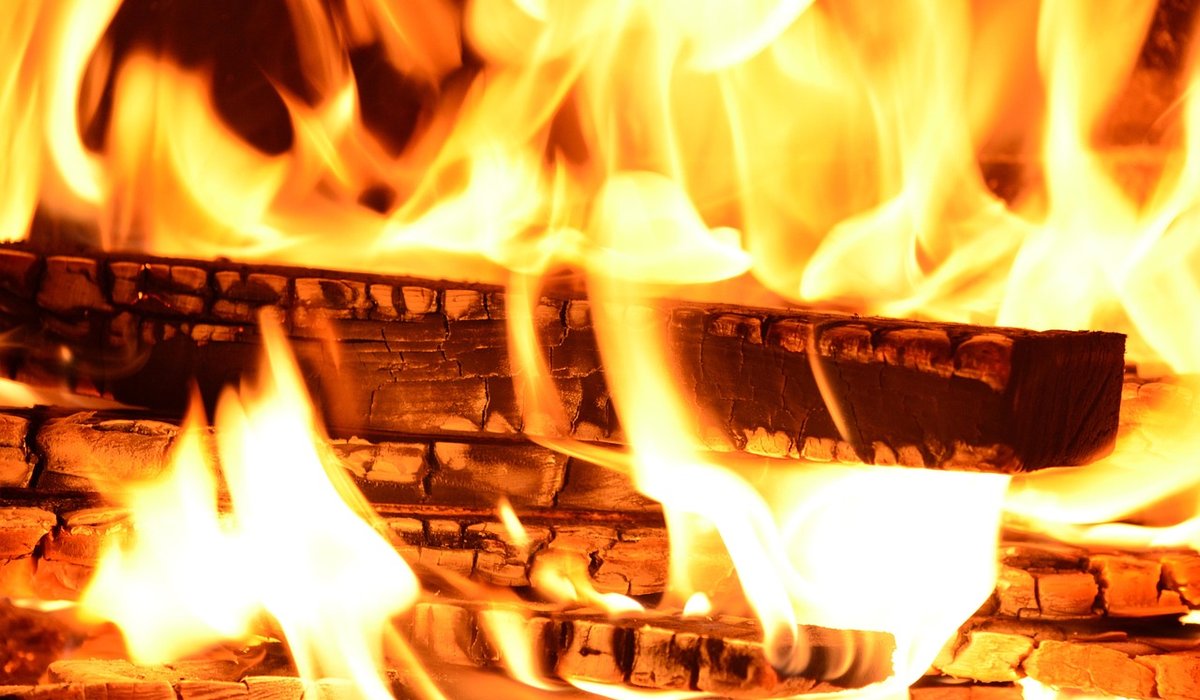
There is a moment, usually around the third cup of tea, when a campfire stops being a fire and becomes an oven. The flames have died down, the logs have collapsed into glowing chunks, and a pale grey ash is creeping over the surface. That is when you want to cook bread. Flame will scorch the outside of a dough before the middle has set; embers give you steady, even, radiant heat that bakes right through.
Hardwoods are best for this. Ash, oak, beech, birch and hawthorn all burn down to good, long-lasting coals with a clean smell. Avoid resinous softwoods like pine or spruce — they spit, they blacken everything, and they leave a tarry flavour in your loaf. Build your fire an hour before you want to eat, let it burn down properly, and spread the coals into a flat bed with a stick.
The old guide is the hand test. Hold your palm about 15cm above the coals: if you can keep it there for four seconds, you have a moderate oven. Two seconds is too hot — wait a while. Keep a small side fire burning so you can add fresh coals as the bed cools.
Damper: The Simplest Loaf You Will Ever Make
Damper travelled out of the Australian bush and settled happily into British woodland cooking because it needs nothing but flour, salt and water. It is forgiving, filling and quick.
- 300g self-raising flour
- 1 tsp baking powder
- Half a teaspoon of fine salt
- 40g cold butter, lard or dripping
- 150–180ml cold water or milk
Rub the fat into the dry ingredients with your fingertips until it looks like rough breadcrumbs, then add the liquid a little at a time until you have a soft but not sticky dough. Knead it for a minute or two, no more, and shape it into a flat round about 3cm thick. Score the top into eight wedges with a knife — this helps it cook evenly and makes it easy to tear and share.
Sit the dough in a lidded cast iron pot, or wrap it loosely in foil, or lay it on a flat stone that has been warming beside the fire. Cover with a shovel of embers and bake for 20–25 minutes, turning once. It is done when it sounds hollow underneath and a skewer comes out clean. Knock off the ash, tap it clean, and eat it hot with butter and a spoonful of honey.
Bannock: Oats, Buttermilk and a Griddle Stone
Bannock is the northern cousin, and it takes kindly to oats. Use the same basic method but swap in 50g of fine porridge oats and replace the baking powder with half a teaspoon of bicarbonate of soda. The soda needs acid to work, so use buttermilk, soured milk or plain yoghurt thinned with water rather than fresh milk.
Keep the dough softer and roll it thinner than damper — about a centimetre — and cook it on a flat griddle, a heavy pan or a clean flat stone set over the coals. Six to eight minutes a side, turned with a spatula or a wooden slice. Bannock is sturdier than damper and travels well wrapped in a cloth, which is exactly why it was a staple for shepherds, drovers and anyone walking long miles in cold weather.
Twist Bread on a Stick
This is the one children remember for the rest of their lives, and it is genuinely useful when you want bread in ten minutes rather than half an hour. Make a stiff dough from 250g plain flour, a pinch of salt, a teaspoon of baking powder, a knob of butter and roughly 150ml water. Let it rest while you find your stick.
Cut a straight, green hazel or willow rod about the thickness of your thumb — never from a tree you have not got permission to cut, and never from yew, which is poisonous. Peel the bark, oil the wood lightly, and roll a sausage of dough into a long rope. Wind it spirally around the stick, pinching the ends firmly so it does not slide off, and hold it 8–12cm above the embers. Turn it constantly. It takes ten to fifteen minutes and it is ready when it slides off the stick cleanly and sounds hollow. Fill the hole with jam, cheese or a spoonful of foraged berries.
Foraged Additions Worth Knowing
Bread is a fine carrier for whatever the wood is offering, but add with care and only what you can identify with absolute certainty. Sweet chestnut flour, ground from roasted and peeled nuts, gives a lovely nutty crumb. A handful of chopped wild garlic leaves in spring, young nettle tops blanched and squeezed dry, or a scattering of blackberries pressed into the top of a damper all work beautifully. Rosehips and sloes are better as a sharp jelly on the side than baked in, as both are seedy and mouth-puckering raw.
Cooking Kindly in British Woodland
Our woodlands are small, fragmented and heavily visited, so the way you gather and burn matters. Collect only fallen deadwood, and only what you need — standing dead trees and fallen branches are habitat for beetles, fungi and bats. Many woodlands are Sites of Special Scientific Interest or have byelaws restricting fires, and in England and Wales it is an offence to uproot any wild plant without the landowner's permission. Never dig up bulbs, never strip bark from living trees, and take only a small share of any one patch of fruit or leaves.
Keep your fire small and in an established ring or a fire pan if one is provided. Use a stove if the ground is dry, peaty or the wind is up. When you are finished, douse the embers with water rather than burying them in soil, scatter the cold ash thinly, and leave the ground looking as though nobody had ever been there. The bread tastes better for it — and the wood will still be worth returning to next winter.


Leave a reply